Introduction: Engineering for the Skies and Beyond
The aerospace industry operates in one of the most extreme engineering environments known to man, where rapid temperature shifts, vibration, pressure, and altitude fluctuations are routine challenges. Every component, from the largest turbine to the smallest wire, must perform flawlessly under stress.
Among these components, high temperature wire plays a pivotal yet often overlooked role. In everything from jet engines to satellite systems, it is essential for ensuring power continuity, signal transmission, and thermal resistance where traditional wiring would quickly degrade. As aerospace technology evolves—from hypersonic aircraft to interplanetary probes—so too must the materials we trust to connect and protect our systems.
This article explores the critical applications, material innovations, and future potential of high temperature wire in aerospace environments.
What Is High Temperature Wire?
Understanding the Basics
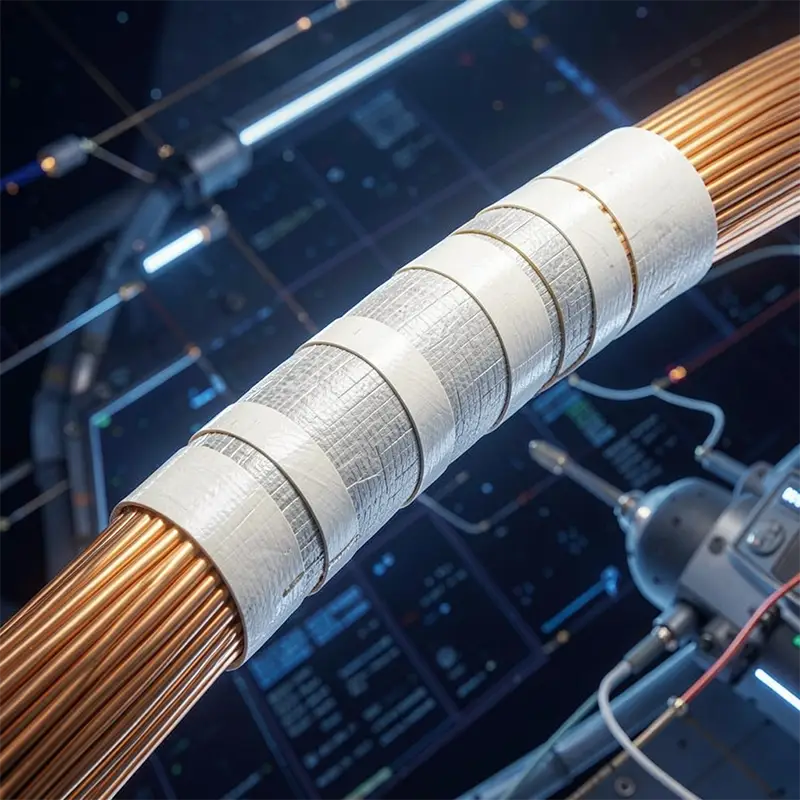
High temperature wire refers to a class of insulated and conductor wires designed to withstand elevated thermal conditions—typically ranging from 150°C (302°F) to over 1000°C (1832°F), depending on the application. These wires are engineered not only to survive heat but also to maintain electrical integrity under mechanical, chemical, and environmental stresses.
Common construction features include:
- Conductors: Often made of nickel, silver, copper alloys, or stainless steel
- Insulations: Materials like PTFE, FEP, fiberglass, mica, or ceramic-based coatings
- Shielding: Optional metallic braids for EMI protection in avionics and communication systems
Why Standard Wiring Isn’t Enough in Aerospace
Conventional wiring begins to break down at elevated temperatures. Insulation may melt, conductors may oxidize, and dielectric performance diminishes, leading to short circuits, system failure, or fire hazards. In aerospace, where equipment often endures temperatures above 200°C (392°F) during operation, high temperature wire is not optional – it’s mission-critical.
Applications of High Temperature Wire in Aerospace Systems
1. Jet Engines and Turbine Modules
Jet propulsion systems are subject to constant thermal cycling, with internal temperatures exceeding 1000°F (538°C). Wiring used in these areas must resist combustion, maintain flexibility, and allow for precise thermal monitoring.
High temperature wire is typically used for:
- Ignition control systems
- Temperature sensors and thermocouples
- Power leads for actuators
2. Avionics and Cockpit Instrumentation
Avionics systems rely on uninterrupted power and data transmission—often in tightly packed, low-ventilation areas where heat builds up rapidly. High temp wire helps prevent signal degradation and EMI interference, especially in high-frequency operations.
3. Environmental Control Systems (ECS)
Aircraft ECS regulate cabin pressure and temperature. High temperature wiring is crucial in heater elements, duct sensors, and compressor modules where airflow temperatures can rise steeply.
4. Satellite and Spacecraft Cabling
In orbit, spacecraft wiring must function in vacuum conditions with no convective cooling and exposure to radiation. High temperature wire—especially those using ceramic insulation—ensures reliability for:
- Solar panel circuits
- Thermal control systems
- Onboard computing
5. UAVs and Hypersonic Platforms
Modern unmanned aerial vehicles (UAVs) and experimental hypersonic aircraft expose systems to rapid and extreme heat increases. Lightweight, flexible high temperature wire allows compact routing without sacrificing performance under thermal stress.
Material Advances in Aerospace-Grade High Temperature Wire
As aerospace demands increase, so does the complexity of wire materials. Today’s high temperature wire products are not just heat-resistant—they are engineered for weight reduction, EMI shielding, chemical stability, and mechanical endurance.
Key Innovations:
1. Mineral-Insulated (MI) Cables
These cables use powdered magnesium oxide (MgO) insulation and stainless steel sheaths. They are ideal for sensor applications and function at temperatures exceeding 1000°C (1832°F).
2. Polyimide and PTFE Blends
Materials like Kapton® (a polyimide) and PTFE provide excellent dielectric strength, chemical resistance, and flexibility across a wide thermal range.
3. Mica and Glass Fiber Wraps
Layered mica tapes offer exceptional fire resistance, making them ideal for flame-retardant aerospace cabling. When paired with glass fiber braiding, the system can handle direct flame exposure for several minutes without failure.
4. Lightweight Composite Conductors
Alloys such as nickel-clad copper or high-performance silver alloys help reduce weight while maintaining conductivity in extreme conditions.
Engineering Challenges and Considerations
Weight vs. Performance Trade-Off
In aerospace design, weight savings are crucial. A single pound of extra weight on a satellite can cost tens of thousands of dollars. Engineers must choose wiring that balances performance under heat with reduced mass.
Routing in Confined Spaces
Aircraft and spacecraft wiring must be routed through compact, curved paths, often close to high-heat zones. High temperature wire must maintain flexibility and insulation integrity, even after repeated bending and vibration.
Compliance with Standards
All aerospace wire must meet strict certification standards, such as:
- AS22759 (Military and aerospace electrical wire specs)
- MIL-W-81381 (Polyimide insulated wire)
- SAE AS50881 (Wiring installation guidelines)
A failure to meet these specs can lead to disqualification from critical aerospace programs.
Case Study: Enhancing Reliability in a Next-Gen Jet Fighter Program
A defense contractor working on a 5th-generation jet fighter faced persistent issues with temperature sensor failure near the afterburner assembly. Traditional wiring used PTFE-coated copper, which degraded after extended test runs.
Switching to a high temperature wire with nickel-alloy conductors and ceramic insulation yielded immediate improvements:
- 35% increase in sensor lifespan
- Reduced maintenance interventions by 40%
- Improved flight test success rate by 18%
This small component change led to significant cost savings and program stability.
The Future of High Temperature Wire in Aerospace
As aircraft push boundaries—higher altitudes, greater speeds, and longer missions—demand will increase for wiring that is smarter, lighter, and more resilient.
Key Trends to Watch:
- Integrated Sensor-Wire Hybrids: Combining thermocouple and signal functionality into single insulated cables
- Radiation-Resistant Composites: Essential for deep-space exploration and long-duration missions
- Self-Healing Insulation Materials: Still in early stages, but poised to enhance durability in high-stress environments
Conclusion: Wiring That’s Ready for Takeoff
From aircraft engines to orbital satellites, high temperature wire is the silent workhorse behind aerospace innovation. It enables data, power, and thermal control to function flawlessly under extreme conditions. As the skies get more crowded and the missions more complex, the reliability of these components becomes more important than ever.
Engineers, designers, and procurement teams must understand the materials and specifications involved when selecting the right wire for their application. Choosing the right high temperature wire isn’t just about surviving heat—it’s about ensuring precision, safety, and innovation at every altitude.
Call to Action:
Looking for reliable aerospace-grade wiring solutions?
At Pelican Wire, we specialize in high temperature wire tailored for demanding aerospace applications. Contact our engineering team today to explore customized solutions that meet your project’s exact specifications. Request a Quote