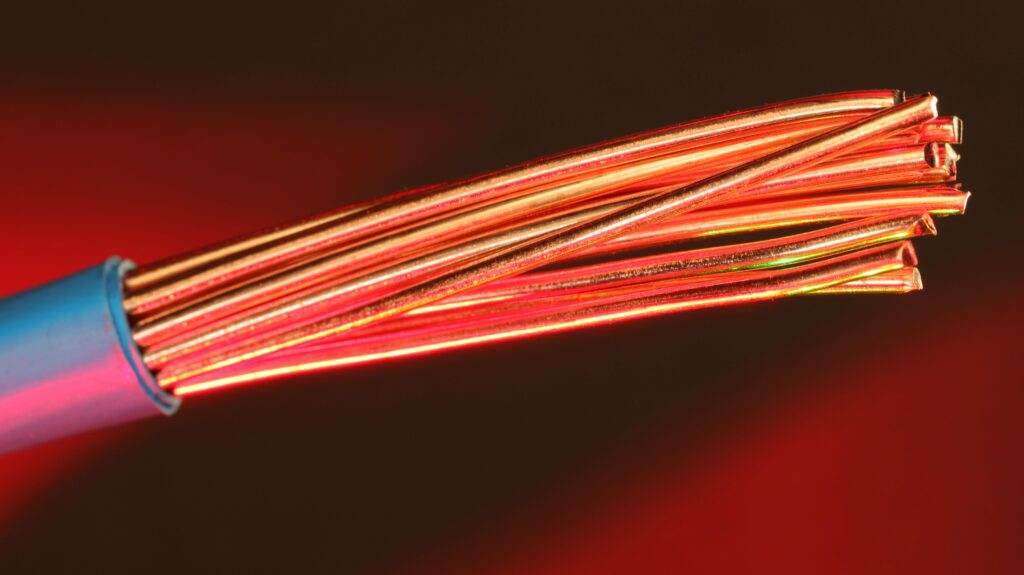
Thermocouple wire measures temperature by detecting small electrical signals created when two different metals are joined and exposed to heat. These signals change based on temperature, allowing systems to calculate accurate readings in real time. Because of this simple and reliable method, thermocouple wire is widely used in industrial temperature monitoring.
Understanding Thermocouple Wire in Simple Terms
A thermocouple is made from two different metal wires joined at one end. When that joint is heated, it produces a tiny electrical signal. That signal travels through the wire to a measuring device, which converts it into a temperature reading.
What makes this system so effective is that it:
- Responds quickly to temperature changes
- Works in very high-heat environments
- Doesn’t require complex electronics at the sensing point
At Pelican Wire, thermocouple wire is designed to deliver consistent signals so your readings stay reliable over time.
Why Thermocouple Wire Is So Accurate
Thermocouple wire is trusted across industries because it provides repeatable and stable readings. But accuracy depends on more than just the basic principle.
Here are the key reasons it works so well:
1. Direct Temperature Response
Thermocouple wire measures temperature at the exact point where the metals meet. This direct contact provides fast and real-time readings. Unlike some sensors that rely on surrounding air, thermocouples measure temperature right at the source.
2. Strong Signal Stability
The electrical signal generated by thermocouple wire changes in a predictable way as temperature rises or falls. This makes it easy for control systems to:
- Track temperature changes
- Maintain consistent heating levels
- Prevent overheating
High-quality wire, like that from Pelican Wire, ensures this signal remains stable over long periods.
3. Ability to Handle Extreme Temperatures
Thermocouple wire works in environments where other sensors may fail.
It’s commonly used in:
- Industrial ovens
- Furnaces
- Manufacturing equipment
- Automotive testing systems
Because the materials are built for heat, accuracy is maintained even in demanding conditions.
4. Minimal Signal Loss Over Distance
Thermocouple wire can carry signals over distance without major loss in accuracy—especially when the correct type of extension wire is used. This is important in large industrial setups where sensors may be far from control panels.
What Can Affect a Thermocouple? Accuracy?
Even though thermocouples are reliable, certain factors can reduce accuracy if not managed properly.
1. Incorrect Wire Type
Different thermocouples (Type K, J, T, etc.) are designed for different temperature ranges. Using the wrong type can lead to inaccurate readings.
2. Poor Installation
Improper installation can cause the following:
- Weak connections
- Signal interference
- Delayed response
Proper routing and secure connections are essential.
3. Environmental Interference
Things like electrical noise, moisture, or chemical exposure can affect signal quality. Choosing the right insulation helps protect the wire.
4. Aging and Wear
Over time, exposure to high temperatures can affect performance. Regular inspection helps maintain accuracy.
Best Practices for Accurate Temperature Measurement
To get the most reliable readings from thermocouple wire:
- Choose the correct thermocouple type for your temperature range
- Use proper extension wire to maintain signal quality
- Avoid sharp bends or mechanical stress
- Protect the wire with appropriate insulation
- Keep connections clean and secure
At Pelican Wire, we help customers select thermocouple wire that matches their exact application needs.
Where Thermocouple Wire Is Commonly Used
Thermocouple wire plays a key role in industries such as:
- Aerospace
- Automotive manufacturing
- Food processing
- Metal and glass production
- Industrial heating systems
Anywhere temperature matters, thermocouple wire helps ensure control and consistency.
FAQ: Thermocouple Wire Accuracy
How accurate is thermocouple wire?
It is highly accurate when the correct type and installation methods are used, especially in industrial environments.
What is the most common thermocouple type?
Type K is widely used because it handles a broad temperature range.
Does thermocouple wire lose accuracy over time?
It can, especially in extreme conditions, but proper maintenance helps extend its accuracy.
Can thermocouple wire be extended?
Yes, using the correct extension wire helps maintain signal accuracy.
Why is my thermocouple giving wrong readings?
Common causes include incorrect wire type, poor connections, or environmental interference.
Why Accurate Thermocouple Wire Matters
Accurate temperature measurement is essential for safety, product quality, and efficiency. Even small errors can lead to:
- Overheating
- Product defects
- Equipment damage
By choosing high-quality thermocouple wire and following best practices, you can maintain consistent and reliable performance. At Pelican Wire, we provide thermocouple wire solutions designed for accuracy, durability, and long-term reliability in demanding environments.