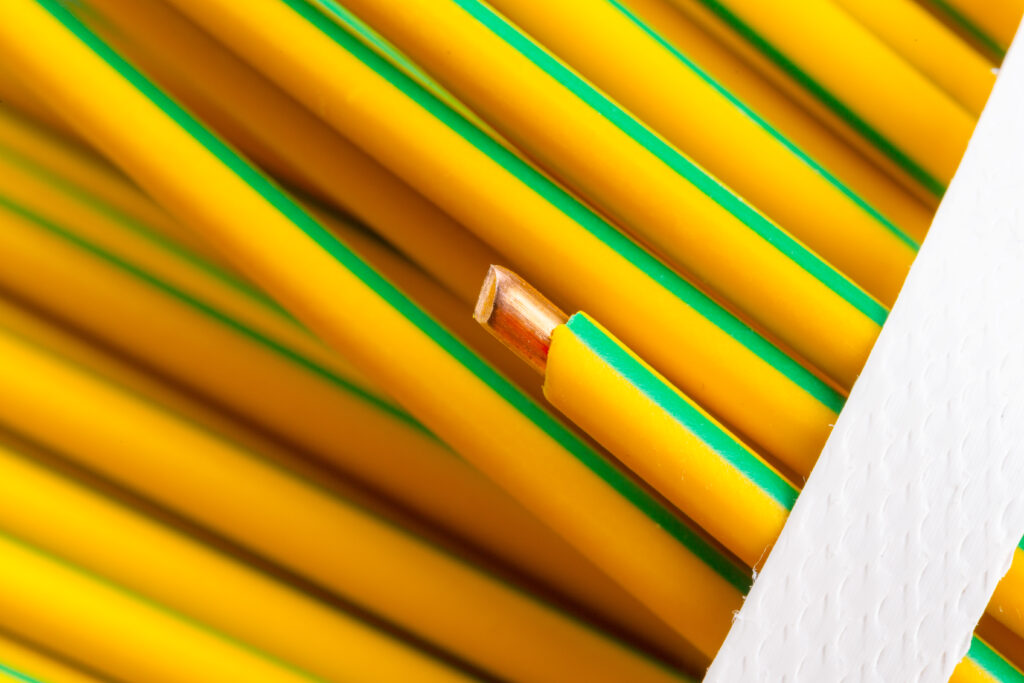
To choose the right high-temperature wire, you need to match the wire’s temperature rating, insulation
type, and durability to your specific environment. The right choice ensures safe operation, longer lifespan,
and consistent performance. Selecting incorrectly can lead to overheating, failure, and costly downtime.
Why Choosing the Right High-Temperature Wire Matters
High-temperature environments are tough on wiring. Heat can damage insulation, weaken conductors,
and cause unexpected system failures.
If the wrong wire is used, you may experience:
- Frequent replacements
- Equipment shutdowns
- Safety risks
- Reduced efficiency
Choosing the correct wire helps avoid these issues and keeps your system running smoothly.
At Pelican Wire, we help customers select high-temperature wire that performs reliably in demanding
industrial environments.
Step 1: Know Your Operating Temperature
The first and most important step is understanding the actual temperature your wire will experience.
Ask yourself:
- What is the maximum operating temperature?
- Is the heat constant, or does it cycle up and down?
- Are there sudden spikes in temperature?
Always choose a wire rated above your maximum temperature, not exactly at it. This provides a safety margin and improves lifespan.
Step 2: Choose the Right Insulation Type
Insulation plays a major role in how well wire performs in high heat.
Common options include:
Fiberglass Insulation
- Good for high-heat environments
- Flexible and cost-effective
- Common in industrial heating systems
PTFE (Teflon)
- Excellent chemical resistance
- Handles moderate to high temperatures
- Smooth and durable
Ceramic or High-Heat Coatings
- Used for extremely high temperatures
- Very durable but less flexible
Choosing the right insulation ensures the wire doesn’t crack, melt, or degrade over time.
Step 3: Consider the Environment
Heat isn’t the only challenge. Consider where the wire will be used:
- Is there moisture or humidity?
- Are chemicals present?
- Will the wire be exposed to vibration or movement?
- Is it inside enclosed equipment or open air?
For example:
- High vibration → choose stronger, more durable wire
- Chemical exposure → choose resistant insulation
- Tight spaces → flexible wire is better
Step 4: Select the Correct Wire Gauge
Wire gauge affects both durability and performance.
- Thicker wire = stronger, longer-lasting
- Thinner wire = more flexible but less durable
Gauge also impacts how heat is handled. Choosing the wrong size can lead to overheating or poor performance. Pelican Wire helps customers select the right gauge based on both electrical and mechanical needs.
Step 5: Understand Electrical Requirements
Your system’s voltage and current also matter.
Make sure the wire can handle:
- Required voltage
- Electrical load
- Continuous operation
Incorrect electrical matching can cause overheating—even if the temperature rating looks correct.
Step 6: Plan for Long-Term Reliability
High-temperature wire should be selected with long-term use in mind.
Ask:
- How often will the system run?
- Is downtime costly?
- How easy is it to replace the wire?
If replacement is difficult, investing in higher-quality wire upfront is the better choice.
Common Mistakes to Avoid
Choosing Based on Price Alone
Lower-cost wire may fail faster, leading to higher long-term costs.
Ignoring Temperature Spikes
Short bursts of extreme heat can damage wire not rated for it.
Using Standard Wire in High Heat
Standard wire insulation breaks down quickly under heat.
Overlooking Installation Conditions
Poor routing or tight bends can shorten wire life.
Applications That Require High-Temperature Wire
High-temperature wire is used in:
- Industrial ovens and furnaces
- Heating systems
- Automotive and aerospace equipment
- Manufacturing machinery
- Power generation systems
Each application has different requirements, making proper selection critical.
FAQ: Choosing High-Temperature Wire
What temperature rating should I choose?
Always select a wire rated above your maximum operating temperature.
What insulation is best for high heat?
Fiberglass and ceramic are common for high heat, while PTFE works well in mixed environments.
Does thicker wire last longer?
Generally yes, especially in demanding conditions.
Can high-temperature wire handle vibration?
Yes, if properly selected for durability and flexibility.
Can Pelican Wire help with selection?
Yes, Pelican Wire provides expert guidance for choosing the right wire for your application.
Why Proper Wire Selection Improves Performance
Choosing the right high-temperature wire is about more than just meeting basic requirements. It directly affects:
- Equipment reliability
- Safety
- Efficiency
- Maintenance costs
With the right combination of temperature rating, insulation, and design, your system can operate smoothly for years.
At Pelican Wire, we specialize in helping customers find high-temperature wire solutions that deliver dependable performance in real-world conditions.