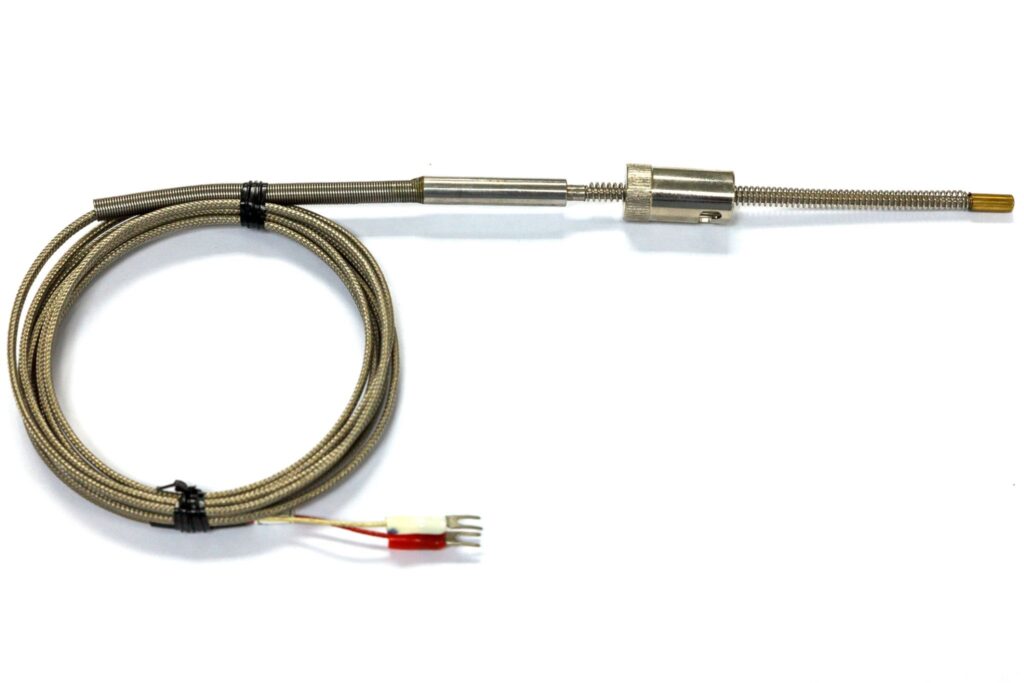
Thermocouple wire failure is often caused by excessive heat, insulation damage, contamination, mechanical stress, or improper installation. These issues can lead to inaccurate readings, temperature sensor drifting, or complete sensor failure. Understanding the root causes helps prevent downtime, improve measurement accuracy, and extend the life of your temperature monitoring system.
In industrial environments, accurate temperature measurement is critical. Whether you’re operating a furnace, heat treatment system, manufacturing line, or industrial oven, a failed thermocouple can disrupt production, compromise product quality, and increase maintenance costs.
This guide examines seven of the most common causes of thermocouple wire failure, how to identify them, and what you can do to prevent future issues.
Why Thermocouple Reliability Matters
Thermocouple wire is often one of the most overlooked components in a heating system—until something goes wrong.
When a thermocouple fails, you may experience:
- Inconsistent temperature readings
- Product quality issues
- Excessive energy consumption
- Unexpected equipment shutdowns
- Increased maintenance costs
Identifying problems early can significantly improve system reliability.
Looking for thermocouple wire designed for demanding industrial environments? Pelican Wire offers high-quality thermocouple wire solutions engineered for long-term performance.
1. Oxidation from Prolonged High Temperatures
One of the most common high-temperature wire problems is oxidation. When thermocouple wire operates continuously at elevated temperatures, the metal can gradually react with oxygen in the environment. Over time, this weakens the conductor and affects signal accuracy.
Symptoms
- Temperature readings slowly drift
- Reduced sensor responsiveness
- Visible discoloration of wire
Diagnosis
Inspect exposed wire for signs of surface deterioration or discoloration.
Prevention Checklist
- Use wire rated for the operating temperature
- Avoid exceeding recommended limits
- Choose appropriate insulation and protective sheathing
How to Fix It
Replace damaged sections and verify operating temperatures remain within specification.
2. Cold Junction Compensation Errors
Many operators assume the thermocouple itself has failed when the actual issue is improper cold junction compensation. Because thermocouples measure temperature differences, the reference point must be accurately compensated for.
Symptoms
- Consistent offset in readings
- Incorrect temperature despite functioning wire
Diagnosis
Compare thermocouple readings against a calibrated reference instrument.
Prevention Checklist
- Verify controller calibration
- Inspect cold junction compensation settings
- Follow manufacturer recommendations
How to Fix It
Recalibrate the system and verify reference compensation is functioning correctly.
3. Insulation Breakdown
Insulation protects thermocouple wire from environmental damage and signal interference. Over time, heat, chemicals, moisture, and mechanical stress can degrade insulation materials.
Symptoms
- Erratic readings
- Electrical noise
- Intermittent signal loss
Diagnosis
Inspect insulation for:
- Cracks
- Brittleness
- Burn marks
- Fraying
Prevention Checklist
- Select insulation for the environment
- Avoid chemical exposure when possible
- Conduct regular inspections
How to Fix It
Replace damaged wire and upgrade insulation if environmental conditions require it.
Preventing Thermocouple Failures Starts with Proper Wire Selection
The right thermocouple wire specification can significantly reduce premature failures and maintenance costs.
Need help selecting thermocouple wire for high-temperature environments? Contact Pelican Wire for expert guidance on insulation, conductor materials, and custom wire solutions.
4. Mechanical Fatigue
Thermocouple wire is often subjected to vibration, movement, and repeated thermal cycling. Over time, these conditions can cause conductor fatigue.
Symptoms
- Intermittent readings
- Signal dropouts
- Sudden sensor failure
Diagnosis
Inspect areas near:
- Connections
- Bends
- Vibration points
Prevention Checklist
- Secure wire properly
- Minimize excessive movement
- Use strain relief where needed
How to Fix It
Replace damaged sections and improve wire routing.
5. Contamination from Chemicals or Process Materials
Certain industrial environments expose thermocouple wire to chemicals, oils, vapors, and corrosive substances. Contamination can alter sensor behavior and accelerate degradation.
Symptoms
- Temperature sensor drifting
- Unstable readings
- Reduced lifespan
Diagnosis
Review process conditions and inspect wire surfaces.
Prevention Checklist
- Use protective sheathing
Select chemical-resistant insulation
Minimize direct exposure
How to Fix It
Replace contaminated wire and improve environmental protection.
6. Sensor Drift Over Time
Even properly installed thermocouples can gradually lose accuracy. This phenomenon, often called temperature sensor drifting, occurs as the metal properties change due to prolonged heat exposure.
Symptoms
- Gradual loss of accuracy
- Consistent temperature offsets
Diagnosis
Compare readings against a calibrated standard.
Prevention Checklist
- Schedule periodic calibration checks
- Replace sensors at recommended intervals
How to Fix It
Replace aging thermocouples and recalibrate monitoring systems.
7. Improper Installation Practices
Many thermocouple failures are preventable and result from installation mistakes.
Examples include:
- Tight bends
- Poor connections
- Incorrect extension wire
- Improper routing
Symptoms
- Inconsistent readings
- Premature failure
- Signal loss
Diagnosis
Inspect installation against manufacturer recommendations.
Prevention Checklist
- Follow installation guidelines
- Use proper extension wire
- Avoid excessive bending
How to Fix It
Correct installation errors and replace damaged wire where necessary.
FAQ: Thermocouple Wire Failure
What causes thermocouple wire failure?
Thermocouple wire failure is commonly caused by oxidation, insulation damage, contamination, mechanical fatigue, and sensor drift. Factors such as extreme heat, moisture, chemicals, and vibration can gradually affect performance and lead to inaccurate temperature readings or complete failure.
Why is my temperature sensor drifting?
Sensor drift occurs when a thermocouple gradually loses accuracy over time. This is often caused by prolonged exposure to high temperatures, oxidation, contamination, or normal aging of the sensor materials, resulting in temperature readings that no longer reflect actual conditions.
Can thermocouple wire be repaired?
Minor issues like loose connections or damaged terminations can sometimes be repaired. However, if the wire has significant insulation damage, contamination, or conductor degradation, replacement is usually the most reliable solution for maintaining accurate temperature measurement.
How often should thermocouples be inspected?
Inspection frequency depends on the application and operating environment. Thermocouples used in high-temperature or harsh industrial settings should be checked regularly to identify wear, insulation damage, or sensor drift before they impact performance.
How can Pelican Wire help?
Pelican Wire offers thermocouple wire solutions designed for high-temperature and demanding industrial applications. Our team can help you select the right wire type, insulation, and construction to support accurate temperature measurement and long-term reliability.
Improving Thermocouple Reliability Through Better Design and Maintenance
Most thermocouple wire failures can be prevented through proper wire selection, installation, and routine maintenance. By understanding common failure modes and implementing preventive measures, manufacturers can improve temperature accuracy, reduce downtime, and extend equipment life.
At Pelican Wire, we help customers select thermocouple wire solutions built for reliable performance in even the most demanding industrial environments.